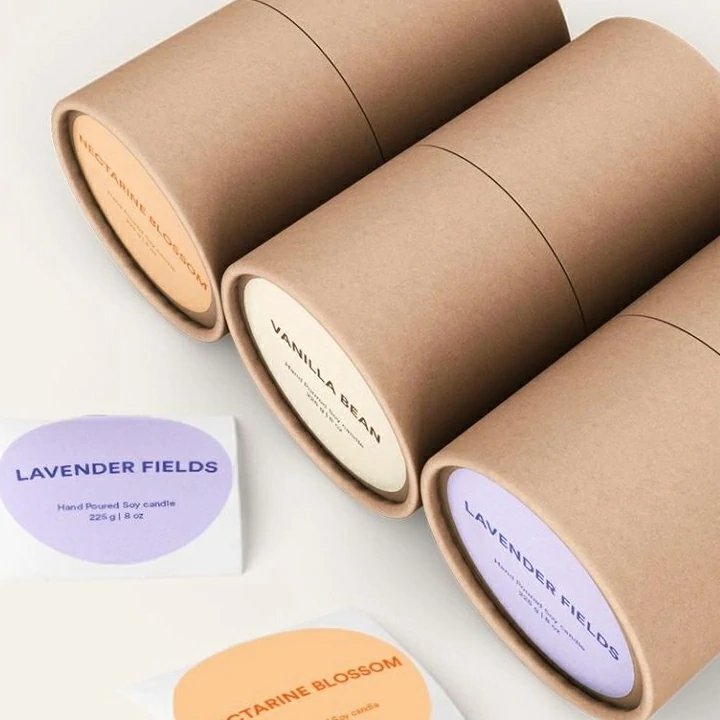
Paper tubes are made from a variety of materials depending on the product and its requirements. The outer structure is usually made of cardboard or white cardboard, which provides strength and durability while offering a smooth surface for high-quality printing or embossed. These materials form the basic shape of the tube and make it sturdy enough to protect the product during transport and storage, while also allowing for customization and branding.
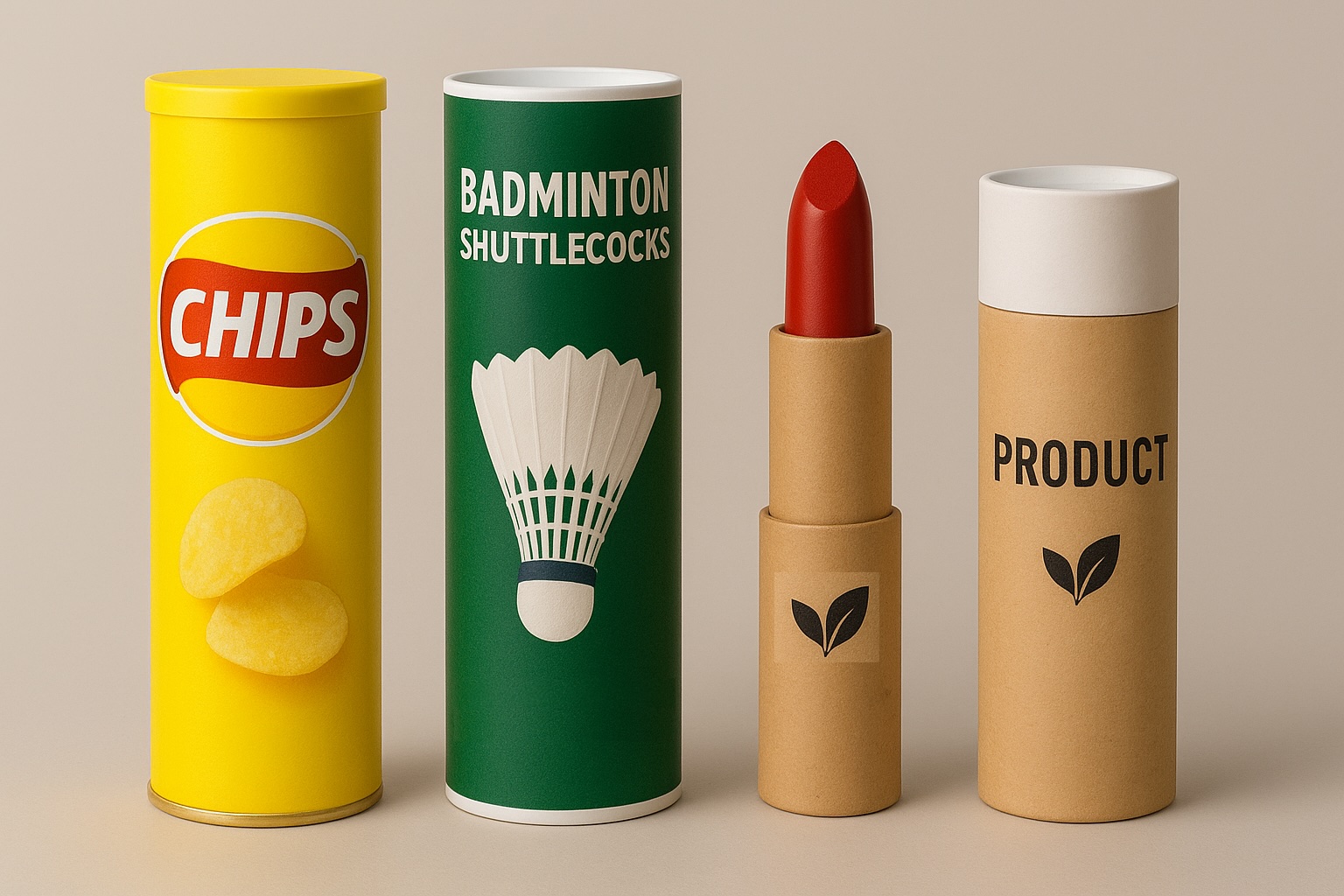
The inner layer is selected based on the product’s sensitivity and storage needs. Simple paper is used for dry products, aluminum foil protects tea, coffee, and other aromatic items, waxed paper prevents oils from seeping into the tube, plastic is applied for moisture-sensitive products like vitamins and supplements, and tin plate or metal inserts are occasionally used for premium packaging. For example, Pringles use a cardboard tube with a metal bottom and plastic inner seal, while Lay’s use a cardboard body with foil lining to maintain crispness. These material combinations ensure that products remain fresh, safe, and visually appealing.
Most paper tubes are formed using cardboard or kraft paperboard. This material provides the tube with strength and rigidity. It’s thick enough to hold its shape and flexible enough to be rolled and layered.
White cardboard is also widely used, especially when appearance matters. Brands that need clean printing, sharp colors, or a premium feel often choose white paperboard for the outer layer. It doesn’t change the strength much, but it does change how the product looks on the shelf.
The inner lining is where material choices really matter. Different products react differently to air, moisture, oils, and light, so the inner layer is selected accordingly.

This is the most basic option and works well for dry products that don’t need heavy protection.
Suitable for dry snacks and powders
Easy to recycle
Common in short shelf-life products
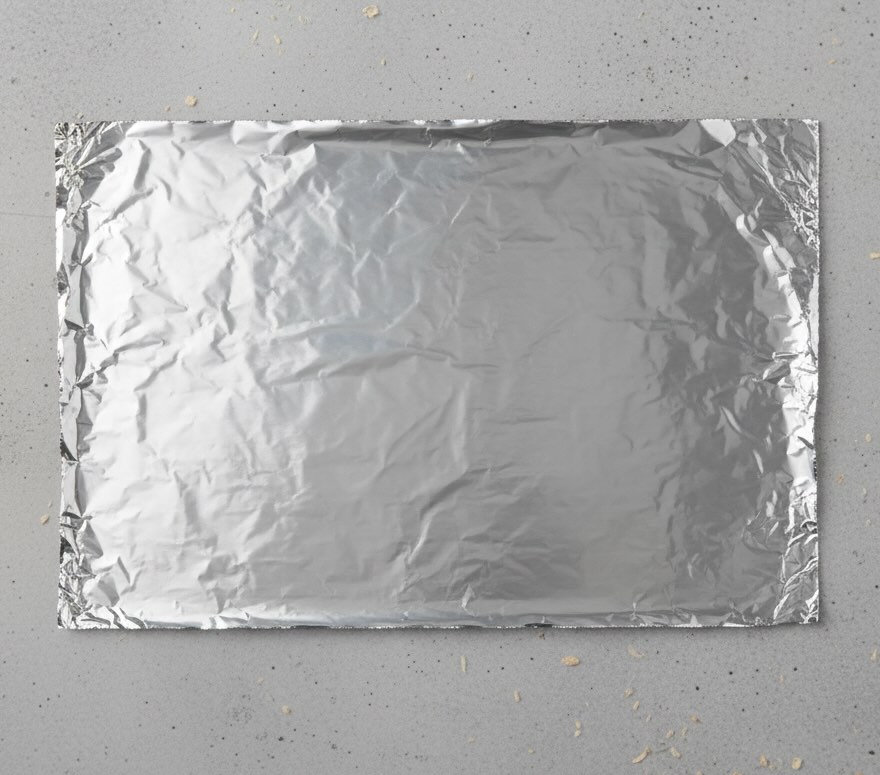
Aluminum foil is used when freshness and aroma need to be preserved.
It’s commonly found in paper tubes for tea leaves, coffee, and specialty foods. The foil helps block moisture, oxygen, and light, which extends shelf life and protects flavor.
Strong barrier protection
Keeps aroma intact
Widely used in food packaging
Products that contain oils can weaken plain paper over time. That’s where waxed paper comes in.
A thin wax layer prevents oil absorption and protects the structure of the tube. This lining is often used for oily food items or cosmetic products.
Prevents leakage
Adds moisture resistance
Protects the tube’s strength
Plastic liners are sometimes added when moisture resistance is critical.
They’re commonly used in vitamins, supplements, and products with long storage periods. However, many brands are now trying to reduce plastic use and switch to alternative coatings.
In premium packaging, tin plate or metal inserts are occasionally used inside paper tubes.
These are less common but popular for luxury chocolates, tea blends, and gift items where durability and presentation matter just as much as protection.
There is no single material combination that works for every paper tube. A tube designed for tea will be very different from one designed for pet food or cosmetics. Factors like oil content, moisture sensitivity, shelf life, and handling all influence material selection.
This is why custom paper tube manufacturers focus on the product first, then recommend materials.
Sustainable paper tube manufacturers are increasingly replacing traditional materials with eco-friendly alternatives. Compostable coatings, water-based barriers, and improved recyclable linings are becoming more common.
The aim is to maintain product protection while reducing environmental impact.
Different industries require different material combinations. For example:
Coffee and tea often require aluminum or barrier linings
Food and snacks may use simple paper or waxed layers
Chocolate packaging may include metal inserts
Pet food requires moisture resistance
Cosmetics focus on clean inner linings and premium outer finishes
Vitamins and supplements need strong protection and stability
Custom paper tubes are more complex than they appear. Cardboard, white paperboard, aluminum foil, waxed paper, plastic, and metal inserts all play a role depending on the product inside.
Choosing the right materials ensures product safety, shelf life, and a better customer experience — while also supporting sustainability goals.
Images Credits to Google Gemini.
What materials are paper tubes made of?
Paper tubes are made from cardboard, white cardboard, and can include aluminum foil, waxed paper, plastic, or tin plate depending on the product.
Why do some paper tubes have aluminum foil inside?
Aluminum foil protects products like tea and coffee from moisture, light, and oxygen, preserving freshness and aroma.
When is waxed paper used in a paper tube?
Waxed paper is used for oily or moisture-sensitive products, such as certain foods or cosmetics, to prevent leakage and maintain tube strength.
What type of paper tube do Pringles and Lay’s Stax use?
Pringles use a cardboard tube with a metal bottom and plastic inner seal, while Lay’s Stax use cardboard with foil lining to maintain crispness.
How do manufacturers choose the right material for paper tubes?
Material selection depends on the product’s needs, including protection from moisture, oils, shelf life, and the type of industry, such as food, cosmetics, or supplements.